
On September 2, the Justice Department widened its antitrust investigation into beef prices to eight major retailers — including Walmart, Costco and Amazon, according to Fox Business, Newsweek and ConsumerAffairs. The probe, which earlier focused on the big meatpackers, now wants to know why beef has stayed so expensive at the register even when cattle prices fell. It is the clearest sign yet that when a handful of giant middlemen control a supply chain, prices get sticky at the top — and shoppers carry the weight.
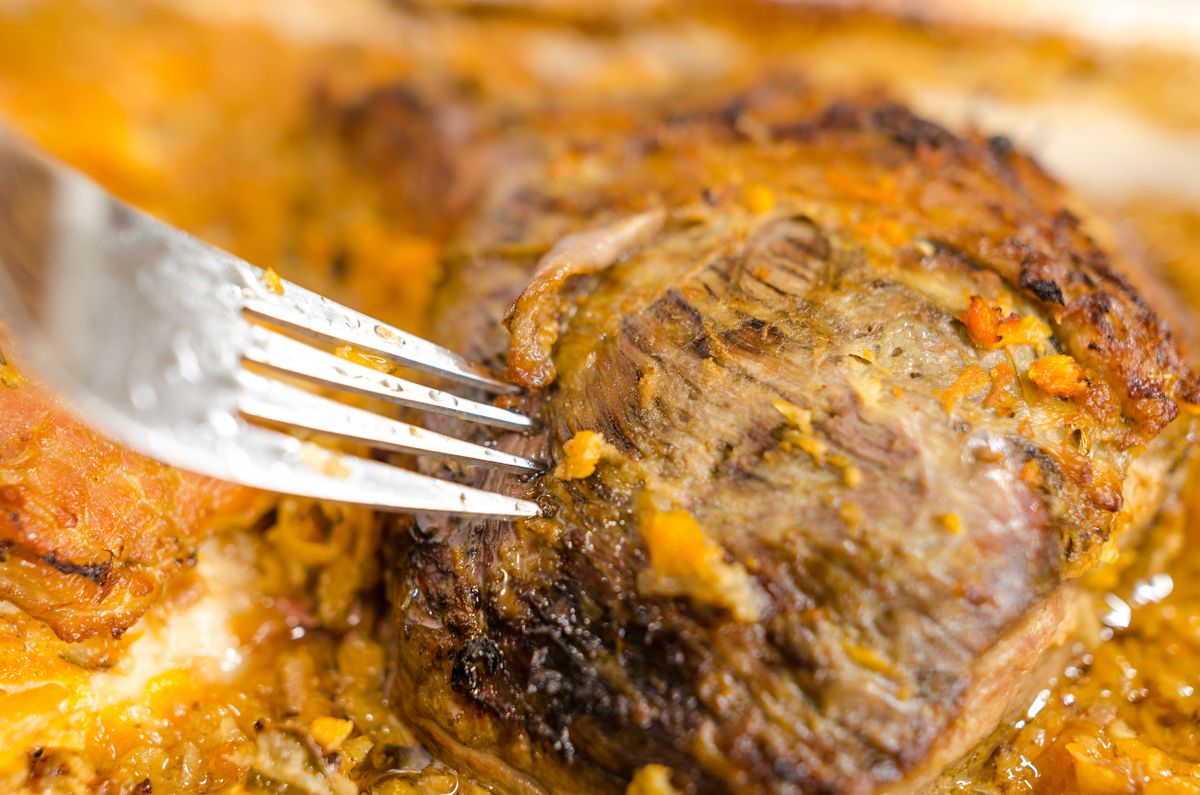
The basic math has frustrated shoppers for years. Cattle prices came down from their peaks, feed costs eased, and yet the price per pound at the meat counter barely budged. Ranchers say they are getting squeezed at one end of the chain, while consumer groups point at the other end. The Justice Department’s expanded inquiry treats that gap as a question worth answering: eight of the biggest names in grocery — the companies that set the shelf price for most of the country — are now being asked how beef gets priced and who keeps the margin.
This is not a beef problem, really. It is a middleman problem. Beef just happens to be the category where the layers are easiest to see: feedlots, packers, distributors, warehouses, and finally a mega-retailer with national pricing power. At every step a margin is added, and when the chain is concentrated — four packers, a few giant distributors, a handful of retailers — the layers stop competing and start coordinating, whether by design or by habit. Prices go up quickly and come down slowly.
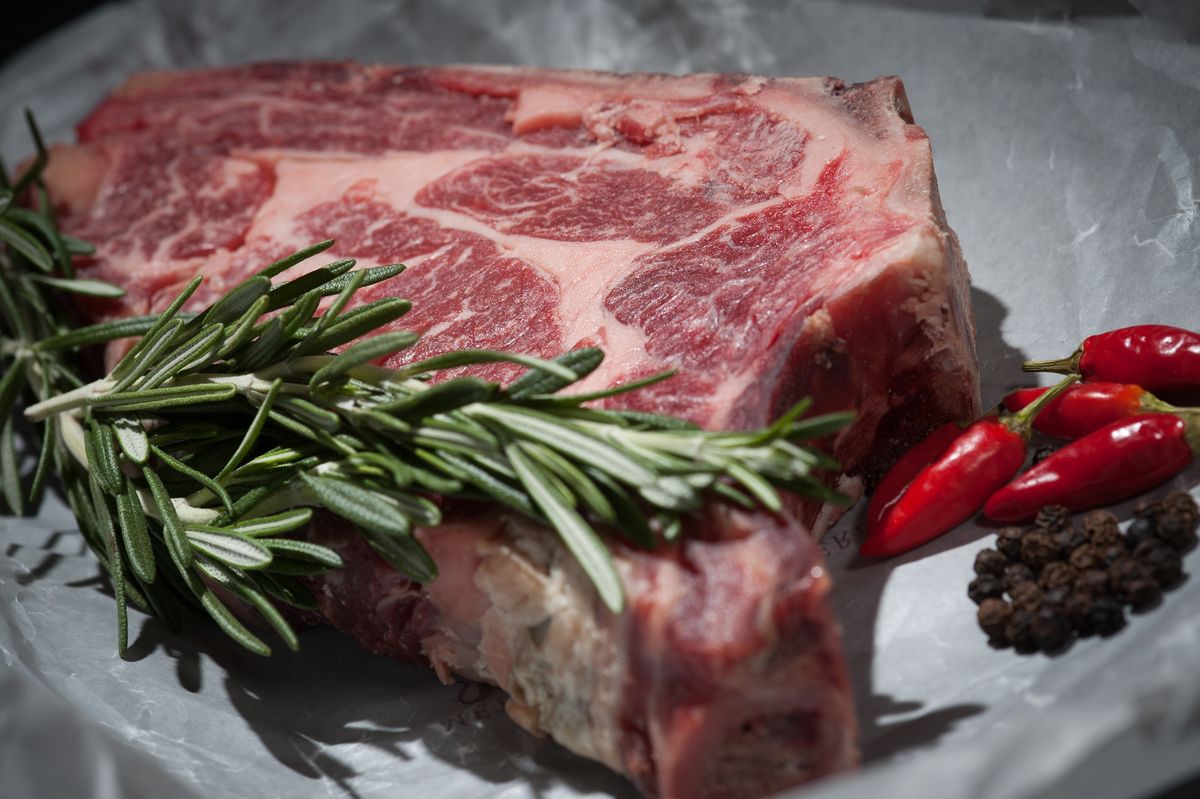
You cannot buy a steer from the feedlot and grill it the same week, so for beef, the chain is what it is. But most of what you buy is not like that. Clothes, shoes, electronics, home goods, toys — those come out of factories that will happily sell to you directly. The reason you pay triple at the mall is the same reason beef is expensive: a stacked chain of middlemen between the maker and you. The factory-direct alternative has existed for years, it just takes a little setup. I use a shopping agent to buy from Taobao, 1688 and Weidian — the same sourcing hubs Western brands and marketplaces use. My agent purchases the items, stores them for free for up to 300 days, sends real inspection photos of every package, repacks everything into one parcel, and ships by EMS or courier. The markup you are used to paying simply is not there.
Watch what happens with the beef probe: if retailers cannot explain the gap between cattle prices and shelf prices, you will see how much of your grocery bill was margin, not cost. You do not have to wait for a government investigation to find out the same thing about everything else you buy.