
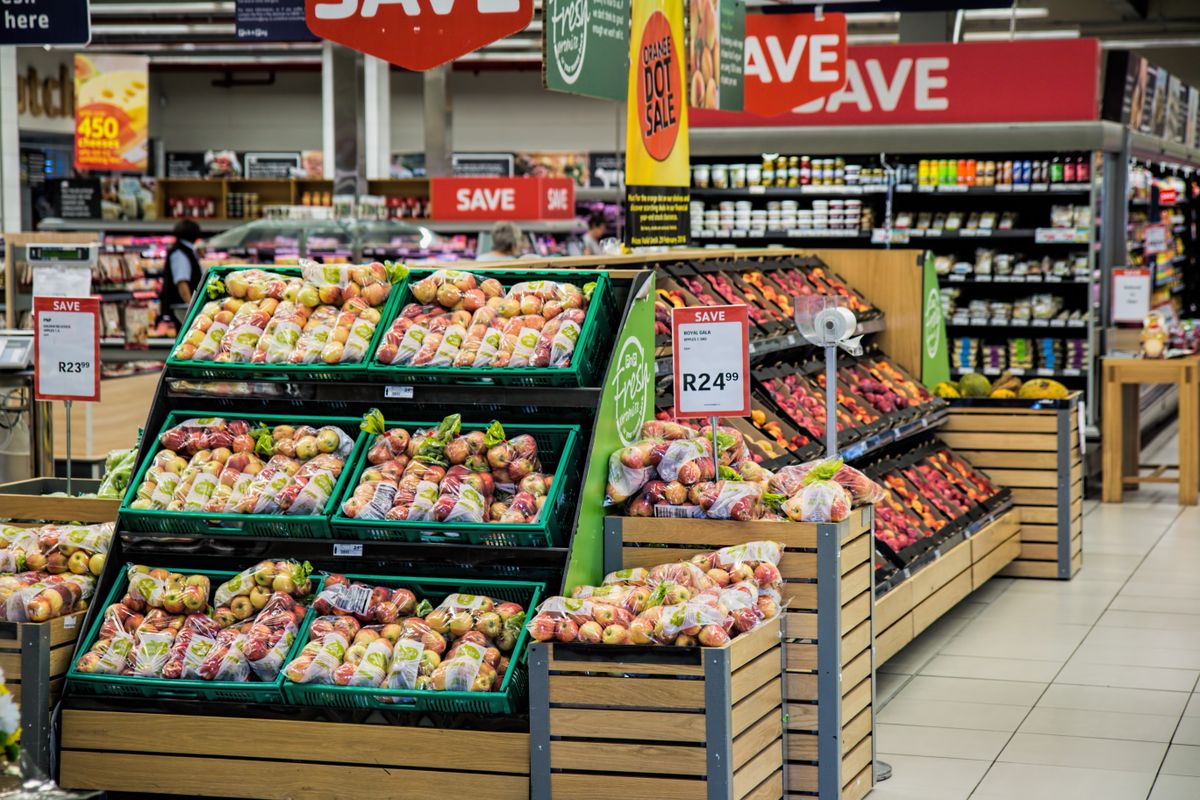

On August 27, Dollar General and Dollar Tree both reported strong second-quarter results and raised their full-year earnings outlooks — at almost the same moment several big grocery chains were cutting their forecasts. Reuters led the coverage with a simple summary: shoppers are opting for cheaper products. The Wall Street Journal put an even finer point on it, reporting that Dollar General is winning over inflation-weary shoppers with $1 items. The dollar store aisle, it turns out, is one of the most reliable growth stories in American retail right now.
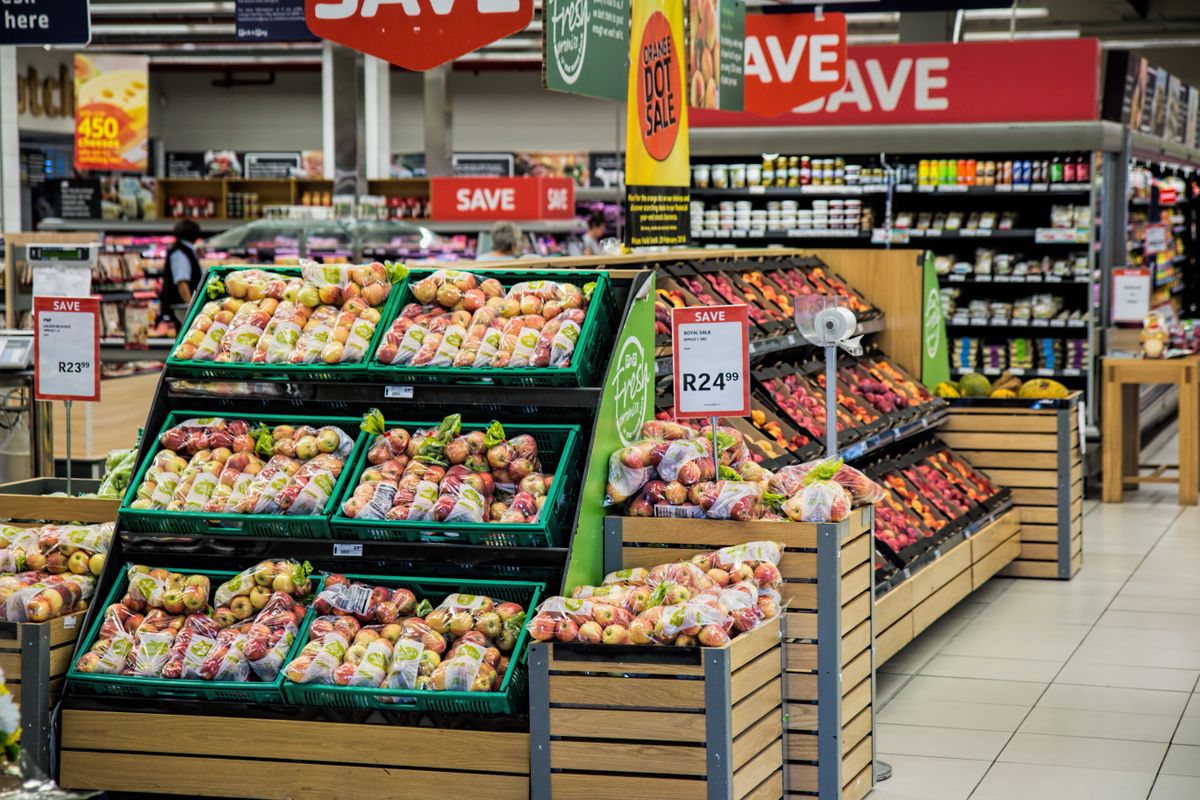
For anyone watching cross-border shopping trends, this is the same signal I keep seeing from every corner of retail. Discount chains are beating supermarkets. Sneaker retailers are slashing forecasts while off-price channels grow. The moment a parcel tax made European cross-border shopping pricier, low-value imports dropped by roughly a third. Consumers are not trading down out of panic — they have learned that the price difference is real, and they are acting on that lesson permanently.
The details behind the dollar store numbers explain why. Both chains raised their outlooks for the rest of the year, and Dollar Tree described the quarter as strong. Grocery Dive laid out the split plainly: dollar stores are growing sales while grocers grapple with weak results. The shoppers driving the growth are no longer just low-income households — middle-income families are switching everyday basics to the discount aisle, dropping brand loyalty, and treating every trip like a price negotiation. Once a household starts thinking that way, it rarely goes back.
Here is the part that connects to how people shop internationally. The dollar store model works because the store strips away everything that does not add value — big displays, premium brands, extra markup — and sells a narrower range at a sharper price. Factory-direct shopping is the same logic taken to the end of the supply chain. On Taobao, Weidian, and 1688, goods sit at factory or wholesale prices before any retailer marks them up. A shopping agent can buy them for you, hold everything in one warehouse with up to 300 days of free storage, and send you inspection photos of the actual items before anything ships.
The discount boom is not a temporary mood; it is a structural shift in how people spend. Dollar stores win because they respect the shopper’s math. So does buying at the source. If you are already price-optimizing your grocery basket, it is a short step to price-optimizing your whole wardrobe — the only question is which middleman you decide to cut out.